


Bird Flu Basics
Bird flu basics
You might have seen bird flu featuring in the news more than usual recently, and that’s because the UK is currently experiencing its largest ever outbreak of the disease on record.
But what actually is bird flu? How is it affecting birds now? and what should you do? If you’re curious about the answers to these questions, then you’re in the right place. In this blog, I’ll break down the bird flu basics and provide links to further information to equip you with the knowledge you need. Enjoy this picture I captured of my Mum's chicken's to get us started!
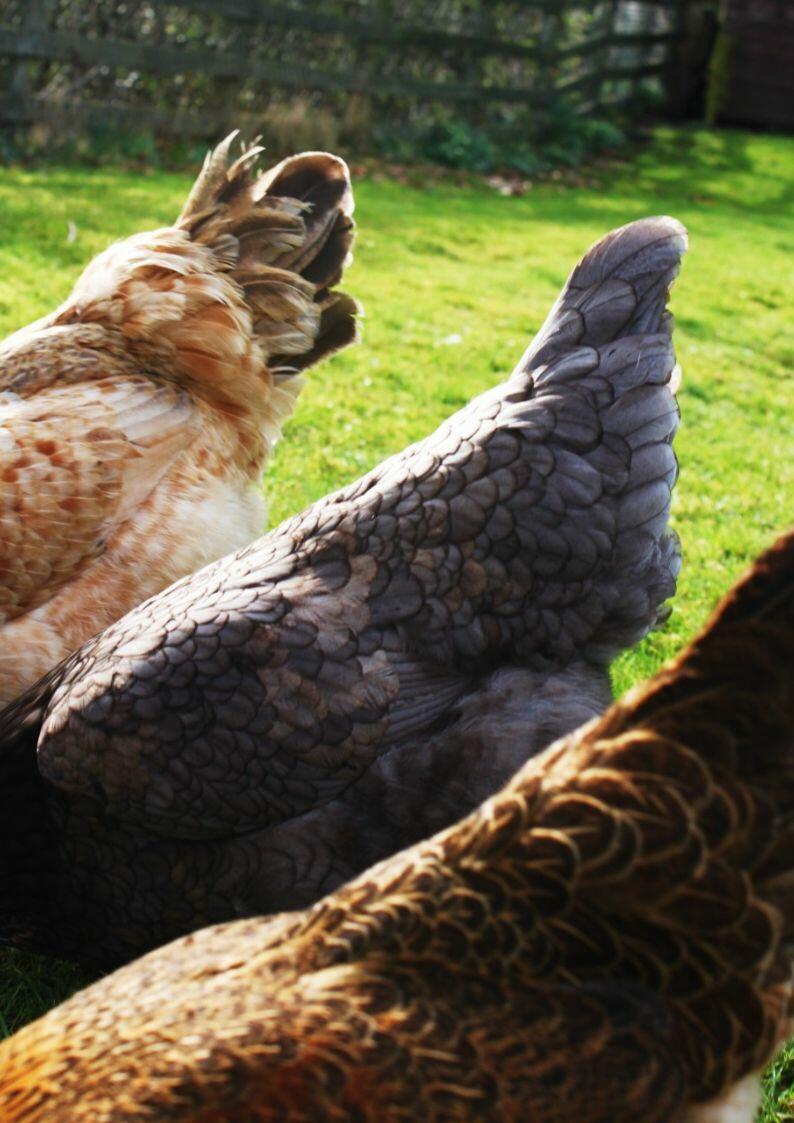 Photograph credit: Julia Griffith
What is bird flu?
Avian influenza, commonly referred to as bird flu, is a viral disease that affects both captive and wild bird populations around the world. It usually spreads by direct contact between infected birds, and sometimes via contaminated surfaces. First detected in China in the late 1990s, the international bird trade and migratory birds have all fuelled the spread of bird flu across the globe.
Like many viruses, there are lots of different strains of bird flu that circulate. The strains can be broadly categorised into either highly pathogenic strains, which are more severe, and low pathogenic strains, which are milder. Bird flu is also classed as a zoonotic disease, meaning it has the ability to jump between animals and humans, butonly some of the highly pathogenic strainsare able to do this through close contact with infected birds, and thankfully,this is rare.
Signs to look for
The symptoms of infected birds can be variable, and infection can rapidly lead to death, sometimes within a matter of hours.
Low pathogenic strains of bird flu may be mild and even cause no symptoms at all, making it difficult to detect. The highly pathogenic strains are more serious and according to the UK government the following symptoms may be present, which can result in severe illness or death:
- sudden death
- swollen head
- closed and runny eyes
- lethargy and depression
- lying down and unresponsiveness
- lack of coordination
- eating less than usual
- lethargy
- sudden increase or decrease in water consumption
- head and body shaking
- drooping of the wings
- dragging of legs
- twisting of the head and neck
- swelling and blue discolouration of comb and wattles
- haemorrhages and redness on shanks of the legs and under the skin of the neck
- breathing difficulties such as gaping (mouth breathing), nasal snicking (coughing sound), sneezing, gurgling or rattling
- fever or noticeable increase in body temperature
- discoloured or loose watery droppings
- stop or significant drop in egg production
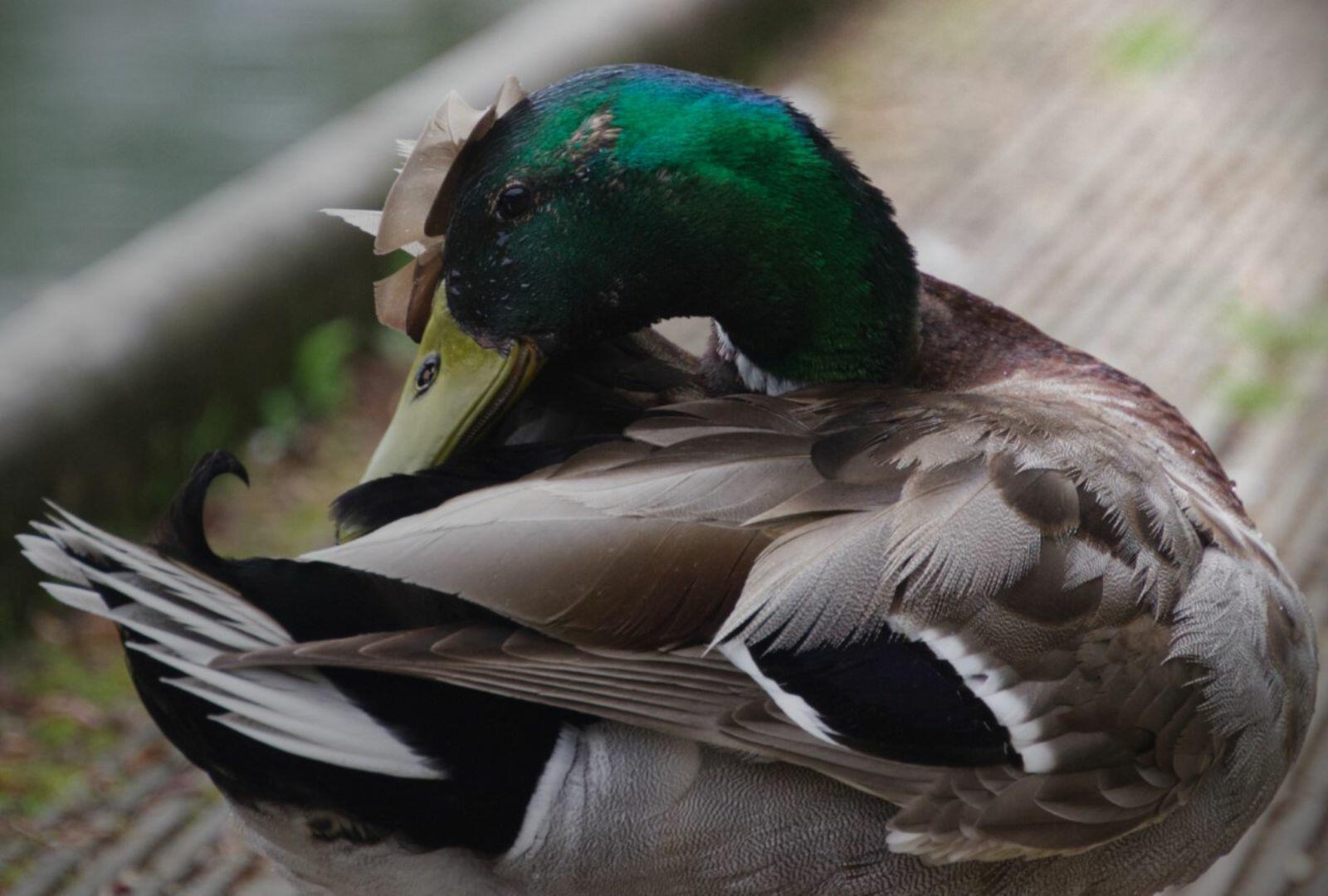
Photograph credit: Julia Griffith
What is the current UK situation?
As of October 2022, there have been 166 confirmed cases of highly pathogenic bird flu in the UK, and 279 in England since the current outbreak began in 2021.
Bird flu spreads fast, and in addition to the birds killed directly by the disease, culls due to outbreaks contribute to the millions of birds lost to bird flu. So as well as affecting bird welfare, bird flu can have devastating effects on livelihoods, local and national economies, food security, and health.
For these reasons any outbreaks are treated very seriously, and the government has declared an Avian Influenza Prevention Zone across Great Britain and Northern Ireland. This includes the introduction of a number of biosecurity measures aimed at preventing the spread of the disease, including mandatory bird housing measures in England, Wales, and Northern Ireland to reduce the risk of disease spread and keep birds safe.
The most recent outbreak has also caused devastation amongst wild birds, including seabirds. With the UK being home to a number of internationally important breeding seabird populations, outbreaks of bird flu can be disastrous. One of the populations hard-hit in recent months is the world’s largest gannet population residing on Bass Rock in Scotland. Worrying drone footage lays bare the drastic effects of the disease on the usually teeming colony and experts are worried populations will take many years to recover.
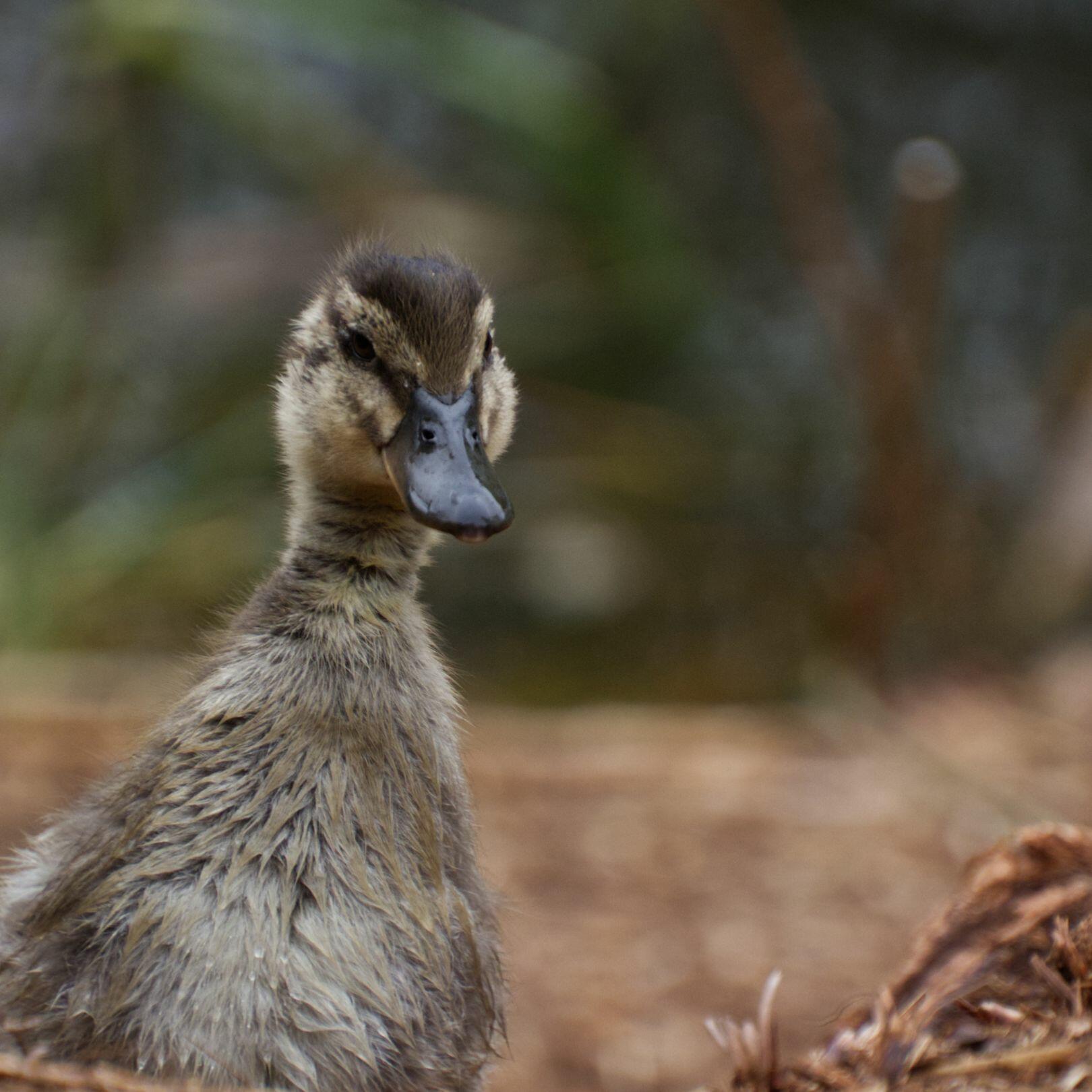
Photograph credit: Julia Griffith
What should you do?
If you keep birds, the UK government provide advice on how to keep them housed safely and help prevent the spread of bird flu. You should also avoid direct contact with bird droppings, sick, or dead birds to reduce the risk to yourself.
At the moment, the RSPB advises against the feeding of wild ducks, swans, and geese, as waterfowl are particularly susceptible to the disease and congregating when feeding allows more opportunities for transmission. The government also provides information on when and how to report dead wild birds which then may be tested for bird flu.
In the UK, bird flu is classed as a ‘notifiable disease’, which means that according to the law, if you suspect bird flu in poultry or other captive birds, you must immediately report it to authorities.
To do this, you can call:
03000 200 301 if you’re in England
03003 038 268 if you’re in Wales
Or your local Field Services Office if you’re in Scotland

Julia is a lifelong animal lover, whose favourite creatures include octopi and hummingbirds! Following her biology degree and a number of years working in clinical research for the NHS, she recently returned to university to gain a Master's degree in Global Wildlife Health and Conservation. She has been a great friend to Vets4u and we wish her the best of luck in her new role at the Bristol Zoological Society!