


How to Administer Ear Drops to Dogs
How to Administer Ear Drops to Dogs
As a caring pet parent, your dog’s health and comfort are a top priority. Ear problems are common, and sometimes you’ll need to give ear drops at home. While it may seem tricky—especially if your dog’s ears are sore—patience, practice, and reassurance make the process smoother for both of you.
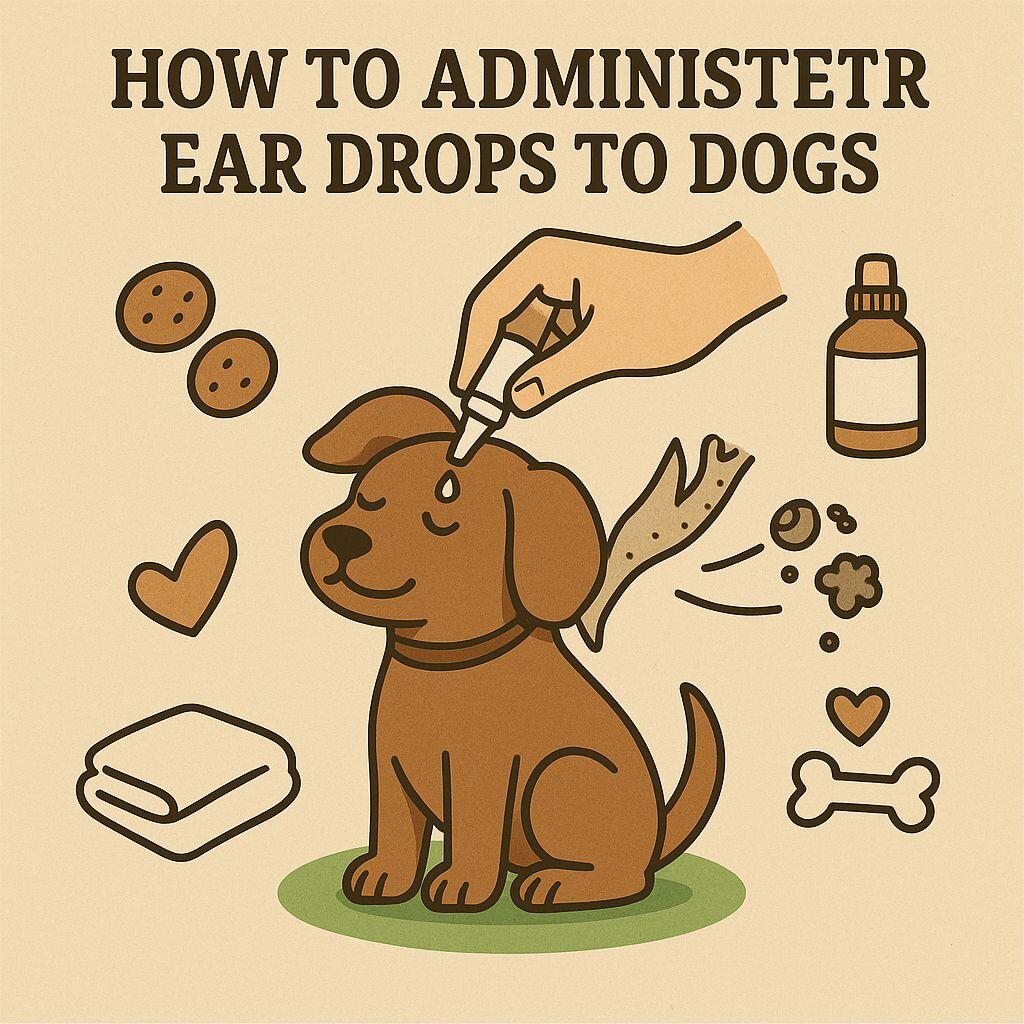
Understanding Canine Ear Issues
Why do dogs get ear infections?
Dogs’ ear canals are long, narrow, and bend at a sharp angle, unlike humans’ straight canals. This L-shape traps debris and moisture, creating the perfect environment for bacteria and yeast.
Common causes
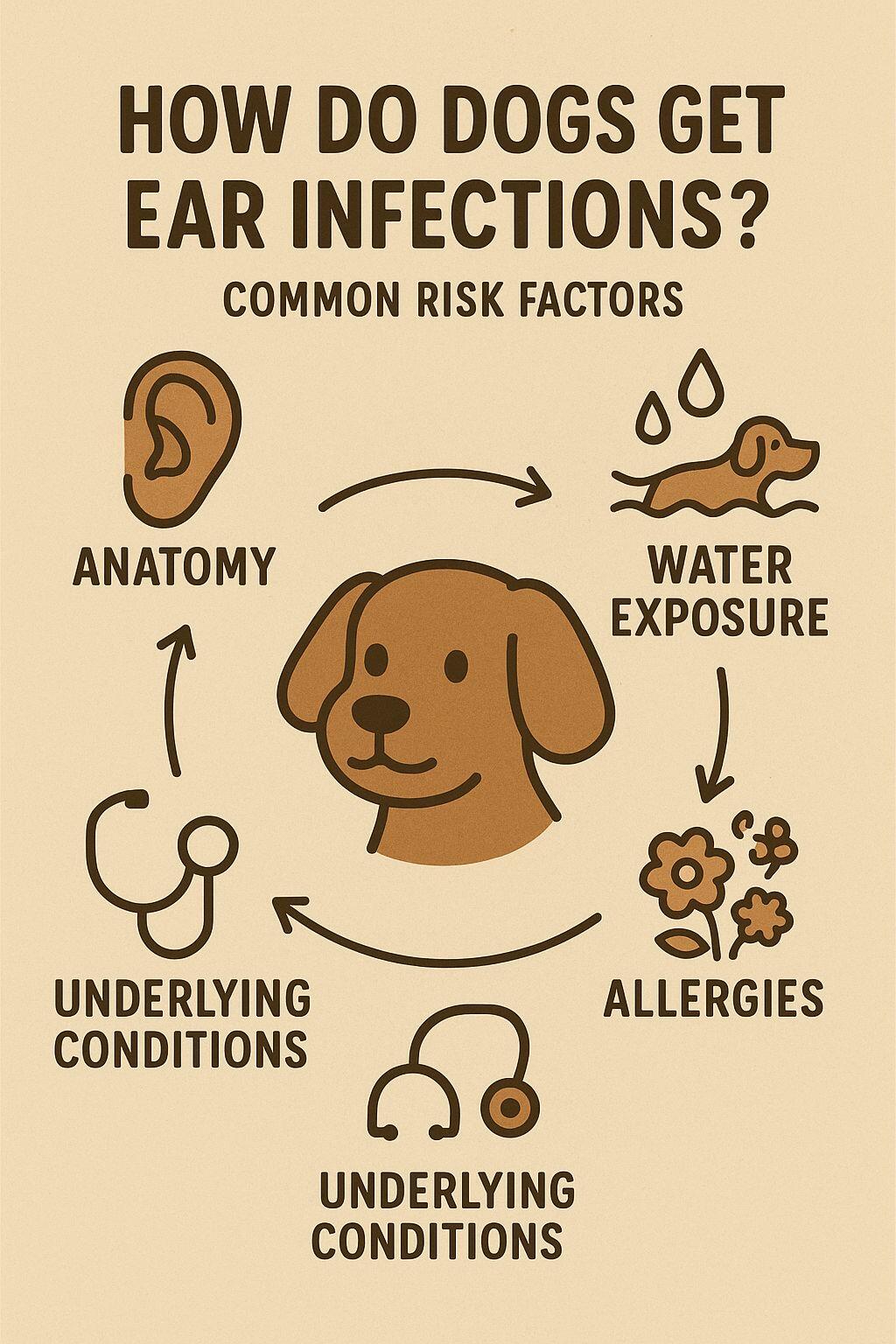
Anatomy: Floppy-eared breeds (e.g., Spaniels, Bassets) trap warmth and moisture.
Hair: Breeds with heavy ear hair may collect debris.
Water exposure: Swimmers are at higher risk.
Allergies: Ear inflammation often accompanies skin allergies.
Underlying conditions: Some infections repeat due to ongoing issues like allergies.
Signs of an ear infection
Look out for:
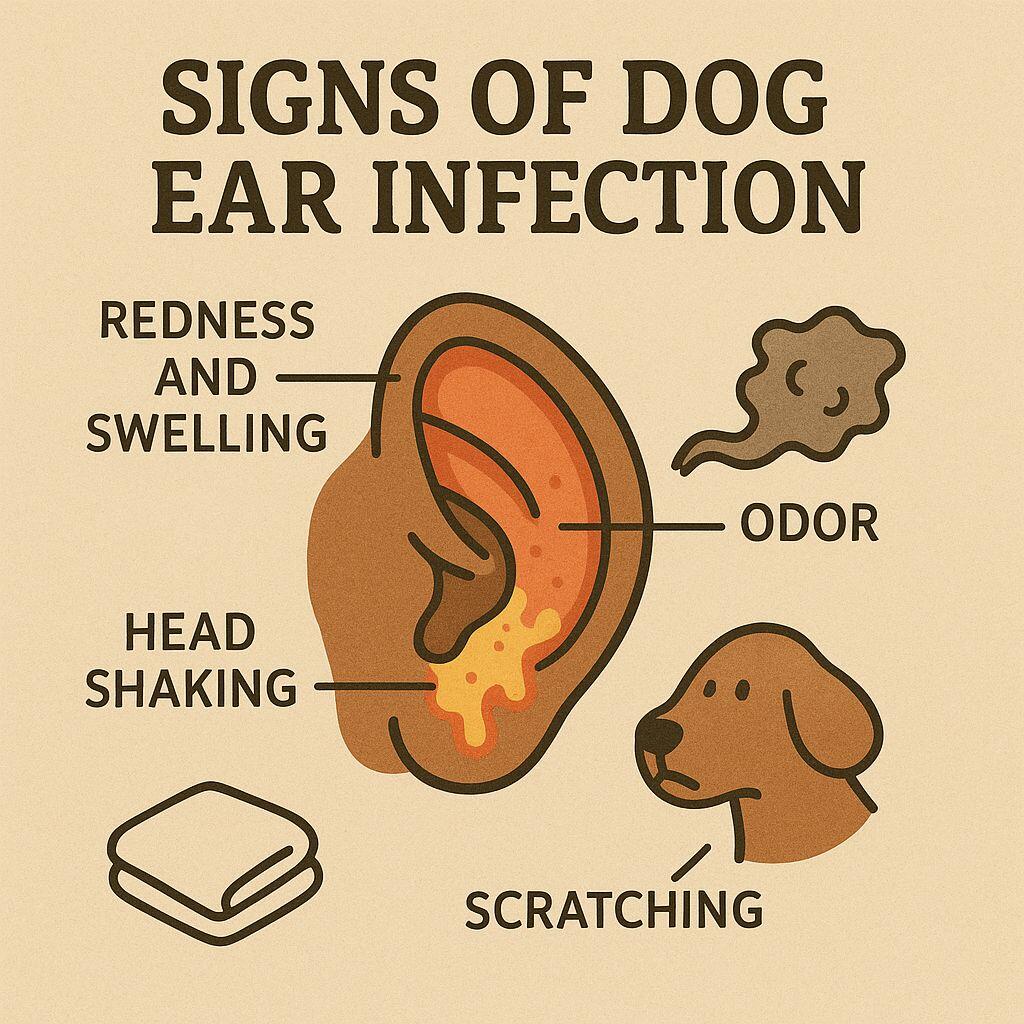
Redness or swelling inside the ear flap.
Black, brown, or coloured discharge.
Unpleasant odour.
Head shaking, tilting, or scratching.
Painful, warm ear flaps.
Even mild signs should prompt a vet check to confirm the cause.
Why Veterinary Consultation Matters
It’s tempting to treat suspected infections yourself, but always consult your vet before using ear medication. Here’s why:
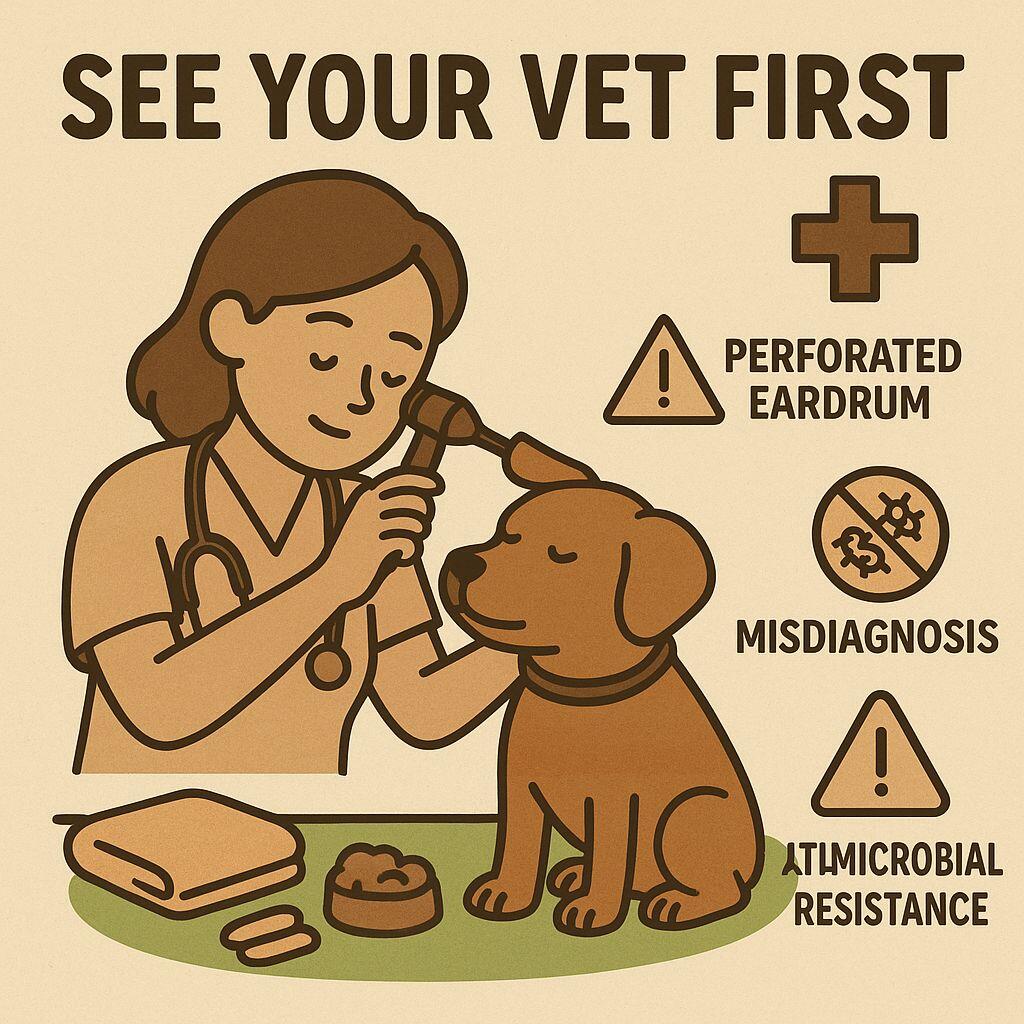
Damaged eardrum risk: Drops in a perforated eardrum can cause deafness. Only a vet can confirm it’s intact.
Accurate diagnosis: Different bacteria or yeast need different treatments.
Avoiding misdiagnosis: Some “infections” are actually allergic inflammation. Antibiotics won’t help and may increase resistance.
Hidden problems: A foreign object or deeper issue may be the real cause.
Follow-up is essential: Ears should be rechecked to confirm the infection is fully cleared.
Preparing to Give Ear Drops
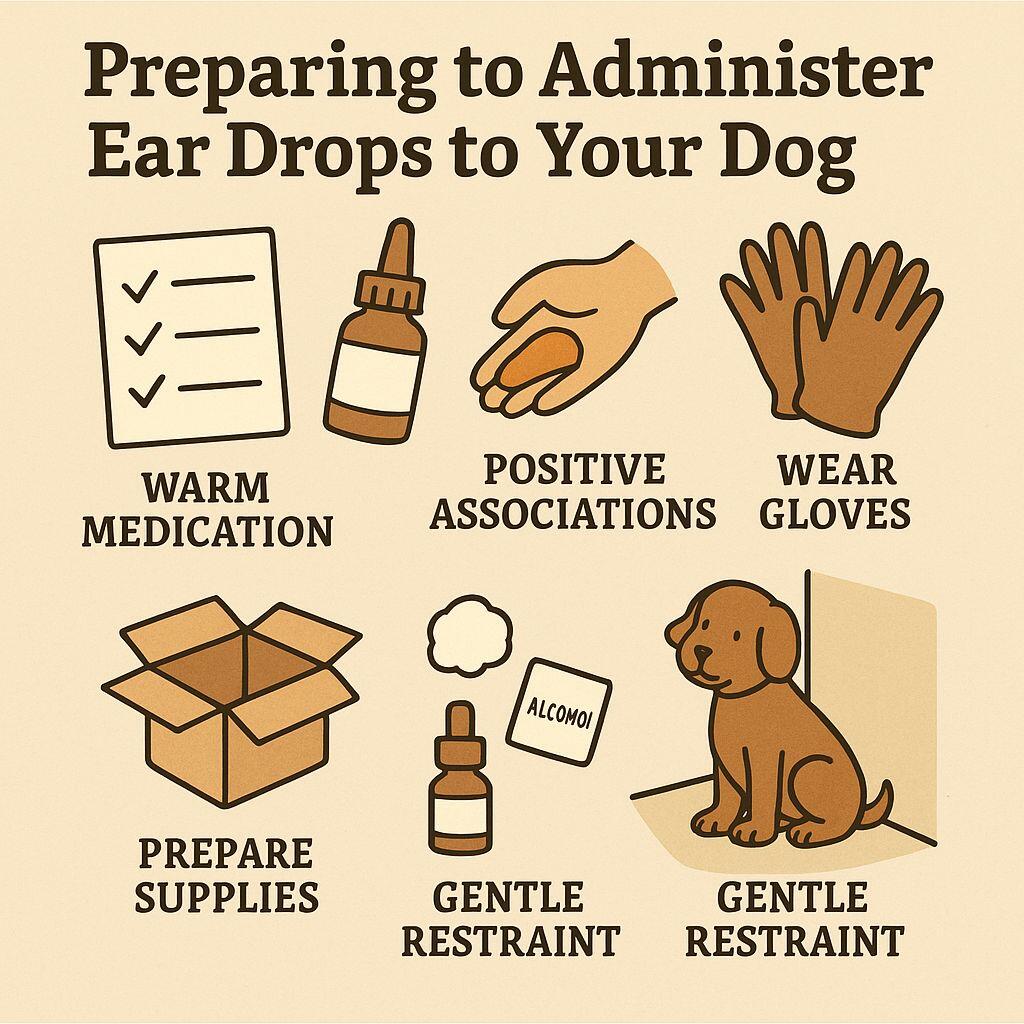
Administering drops can be stressful, so set yourself up for success:
Read instructions carefully. Always follow your vet’s guidance.
Warm the medication. Hold the bottle in your hands for comfort.
Build positive associations. Pair ear handling with treats and cuddles.
Prepare your space. Choose a quiet spot with supplies ready: medication, cotton balls or gauze, gloves, and treats.
Wear gloves. Protect yourself from bacteria and medication.
Know your bottle. Ask your vet if the tip can go in the ear canal or not.
Use gentle restraint:
Small dogs: On your lap.
Medium dogs: Between your legs while you sit on the floor.
Large dogs: Back against a corner with you at their side.
A helper with treats can make things easier.
Consider a muzzle. If your dog is painful or aggressive, safety comes first. Stop and call your vet if your dog still resists.
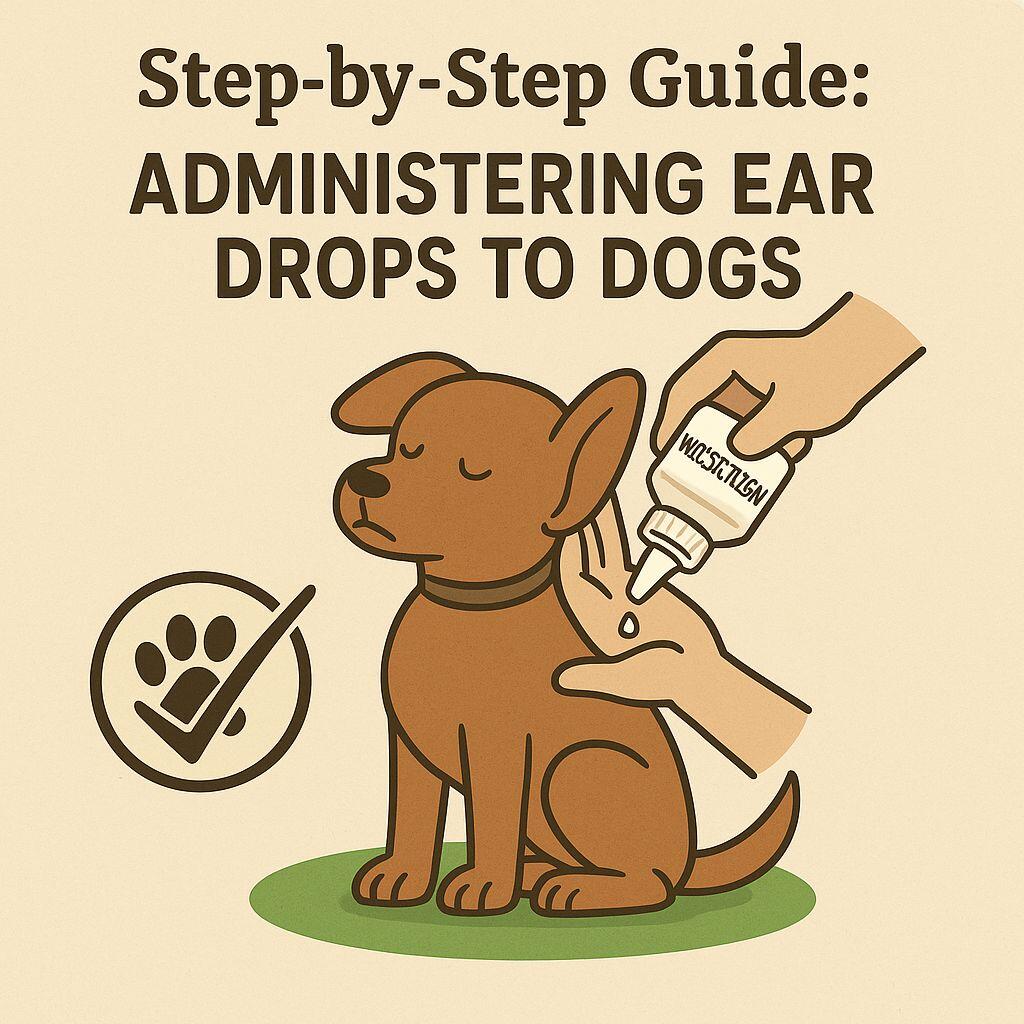
Step-by-Step Guide to Administering Ear Drops
Shake the bottle. Prepare the prescribed dose.
Position your dog comfortably and securely.
Relax them with gentle rubbing around the head and ears.
Hold the ear flap. Lift it straight up to straighten the canal.
Apply the drops:
If designed to enter the canal, place the tip gently inside and squeeze the medication.
If not, let drops fall into the ear canal without the tip touching.
Never push tips or cotton swabs deep into the ear.
Massage the ear base for about 30 seconds—you should hear a squishing sound as the medication spreads.
Treat the ear flap if your vet advises, by rubbing medication onto affected areas.
Clean the bottle tip with alcohol to avoid contamination.
Wipe away excess liquid or debris after your dog shakes their head.
Reward generously with treats and praise.
Repeat for the other ear if prescribed.
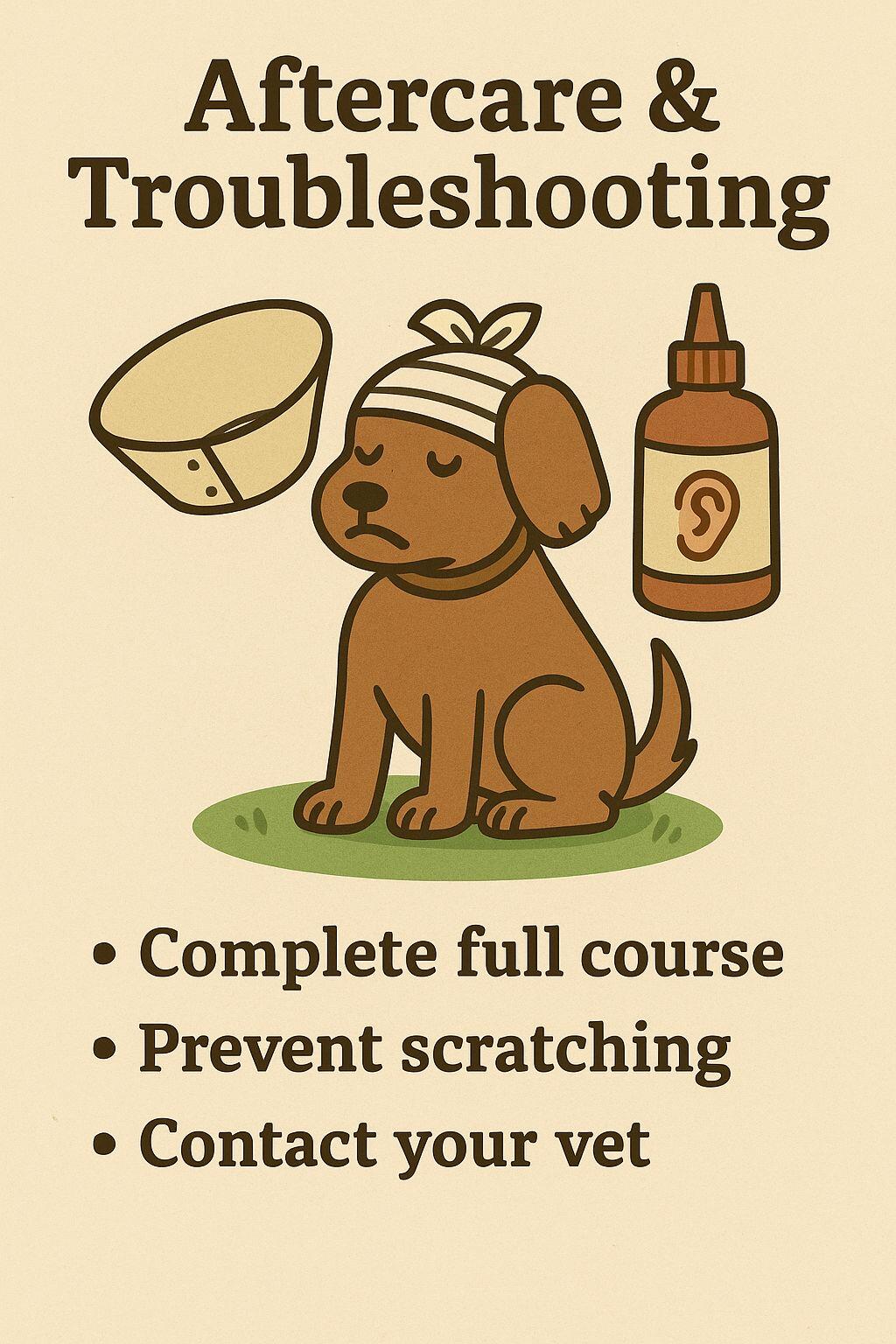
Aftercare and Troubleshooting
Finish the full course. Even if the ear looks better, stopping too soon risks relapse.
Prevent scratching. If your dog won’t stop, your vet may suggest an E-collar to prevent injury.
Avoid water. Keep ears dry until fully healed and cleared by your vet.
Contact your vet if you notice:
More discharge, swelling, or redness.
Signs of worsening pain.
Infection spreading or not improving.
You can’t safely give the medication at home.
Giving ear drops can be a challenge, but with preparation, patience, and your vet’s guidance, you’ll help your dog recover comfortably. Remember: the key is safe handling, completing the full treatment, and regular veterinary follow-up.

Approved by: John Beart – Practice Manager
Further Reading
Applying Ear Drops to Dogs | VCA Animal Hospitals: https://vcahospitals.com/know-your-pet/applying-ear-drops-to-dogs
Instructions for Ear Cleaning and Administering Medication in Dogs | VCA Animal Hospitals: https://vcahospitals.com/know-your-pet/instructions-for-ear-cleaning-in-dogs
Does it hurt my dog when I put in ear drops? | McDowell’s Herbal Treatments: https://mcdowellsherbal.com/articles/451-does-it-hurt-my-dog-when-i-put-in-ear-drops
How to Administer Ear Medications – LSU VetMed: https://www.lsu.edu/vetmed/vet_hospital/client_education/ear_medications.pdf
How to Give Your Dog Ear and Eye Drops | Dogs Trust: https://www.dogstrust.org.uk/dog-advice/health-and-wellbeing/vet-care-at-home/how-to-give-dog-ear-eye-drops
Examining and Medicating the Ears of a Dog | WSU Vet Teaching Hospital: https://hospital.vetmed.wsu.edu/2022/01/04/examining-and-medicating-the-ears-of-a-dog/
Why Do We Have to Check Before and After Prescribing Treatments? | Whiskers Vets: https://whiskersvets.co.uk/why-do-we-have-to-check-before-and-after-prescribing-treatments