


How to Handle Pet Medication Side Effects
How to Handle Pet Medication Side Effects
As pet parents ourselves, we know that nothing is more worrying than seeing your beloved animal unwell. When your vet prescribes medication, you're filled with hope for their recovery, but sometimes, an unexpected hurdle arises: a pet medication reaction. It’s a stressful experience, and understanding what to do, and why it happens, can make all the difference for your pet’s well-being. At Vets4u, we understand this worry and are here to help you navigate the complexities of pet healthcare, including getting the medications you need affordably.
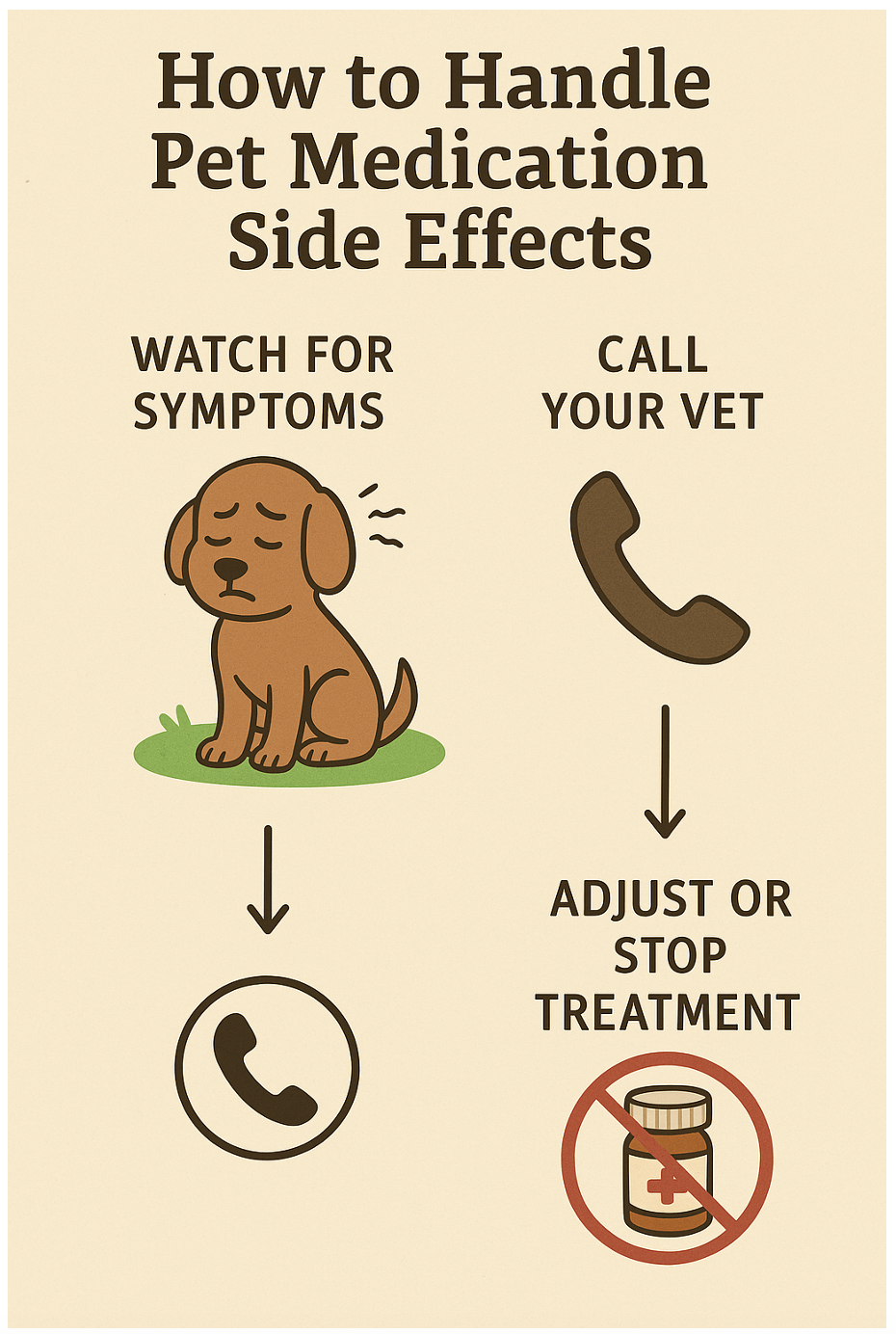
Recognising a Pet Medication Reaction: What to Look For
Just like in humans, pets can experience a wide range of reactions to medication. These can vary from mild and temporary to severe and life-threatening. Being vigilant and knowing what signs to watch for is crucial.
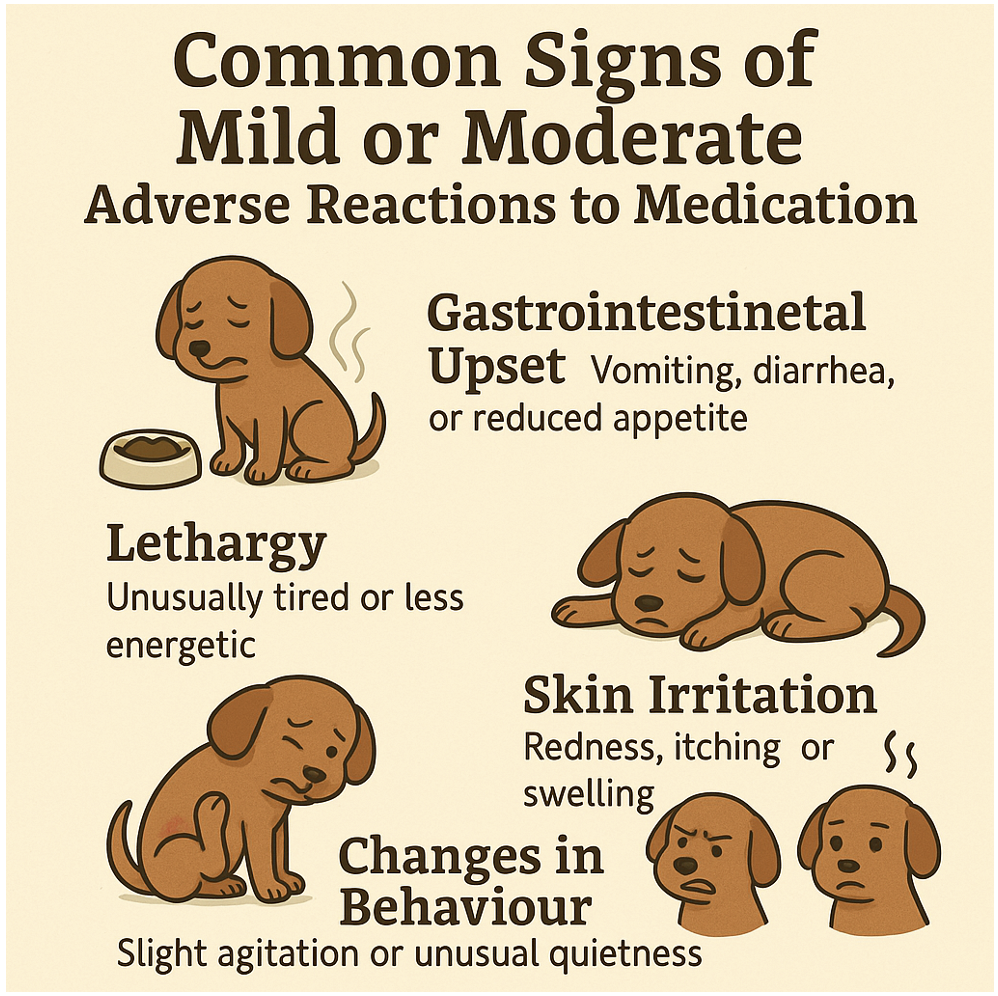
Common signs of a mild or moderate adverse reaction to medication can include:
• Gastrointestinal upset: Vomiting, diarrhoea, or a reduced appetite.
• Lethargy: Your pet might seem unusually tired or less energetic.
• Skin irritation: Redness, itching, or swelling at the application site for topical treatments.
• Changes in behaviour: Slight agitation or unusual quietness.
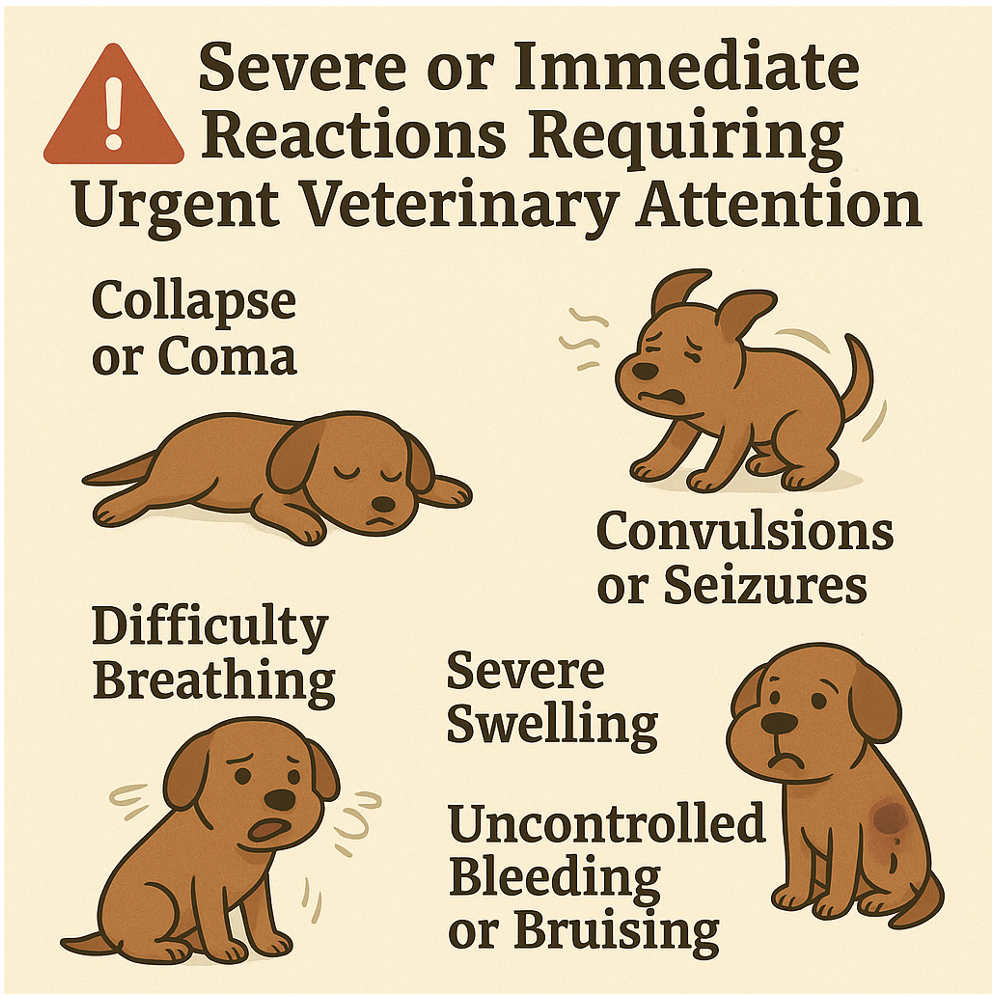
More severe or immediate reactions, though rarer, require urgent veterinary attention.
These could manifest as:
• Collapse or coma.
• Convulsions or seizures.
• Difficulty breathing.
• Sudden severe swelling (especially around the face or injection site).
• Uncontrolled bleeding or bruising (especially with certain medications like rodenticides).
If you ever suspect a severe pet medication reaction, contact your vet immediately. Don't wait to see if it improves on its own.
What to Do When You Suspect a Problem
1. Contact Your Vet: Your first port of call should always be your prescribing veterinary practice. They have your pet's full medical history and are best placed to advise on whether the symptoms are a known side effect, or something more serious.
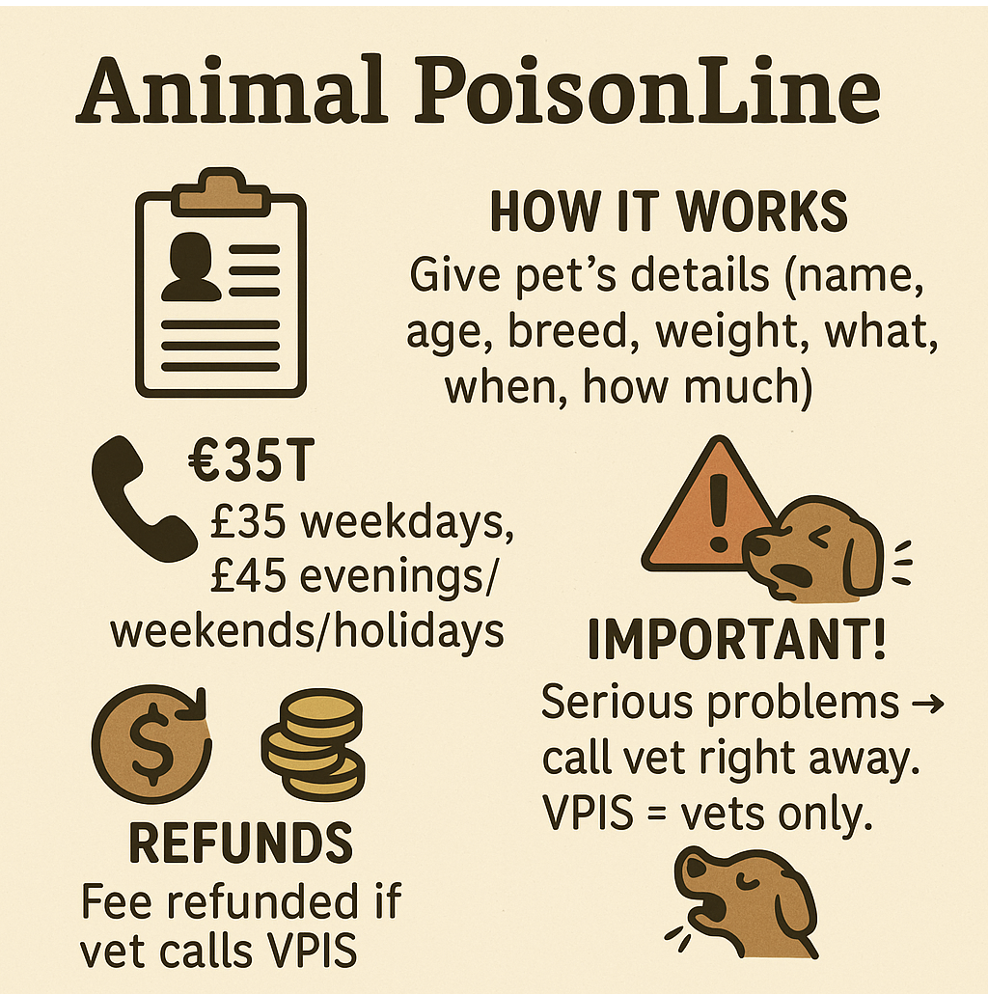
2. Consider the Animal PoisonLine (APL): If you suspect your pet has ingested something harmful or has had an unexpected reaction, and your vet's immediate availability is a concern, the Animal PoisonLine can be an invaluable resource. This is a 24-hour specialised emergency telephone service run by the Veterinary Poisons Information Service (VPIS), dedicated to helping pet owners. Their team of vets, veterinary nurses, toxicologists, and scientists can assess the situation based on the information you provide and advise if an immediate vet visit is necessary, potentially saving you a trip. For example, 3 out of 4 owners have been able to stay at home after calling APL.
◦ How it works: You'll be asked for details like your pet’s name, age, breed, weight, what they were exposed to, how long ago, and how much.
◦ Cost: Calls to APL cost £35 during weekdays (8am-8pm) and £45 at all other times, including bank holidays.
◦ Refunds: If APL advises you to go to your vet and your vet then needs to call the professional line (VPIS) for detailed treatment advice, APL will refund your initial call fee. This ensures you get expert advice without double charges for specialist poisoning guidance.
◦ Important Note: For immediate life-threatening situations (e.g., collapse, convulsions, severe breathing difficulties, adder bites, blue-green algae, true lilies in cats, bronchodilator inhalers), contact your vet directly and immediately. The VPIS itself is for veterinary professionals only.
Understanding Prescriptions and Managing Costs
A common area of confusion and concern for pet parents revolves around medication costs and why vets charge what they do. We understand the financial pressure of pet care. Many pet parents look for more affordable options, and searching for "pet drugs online" or "pet drugs online uk" is a sensible step.
It's important to know that prescribing laws in the UK are strict. For instance, it is a criminal offence for vets to advise pet owners to buy human medicines for their animals, primarily due to safety and efficacy concerns linked to physiological differences between species. If a veterinary-licensed alternative exists, it should be used. However, if there isn't a suitable veterinary version, a vet can prescribe a human drug "under the cascade". Your vet should explain why an "off-licence" drug is recommended and obtain your informed consent, ideally in writing.
Why are vet-dispensed medications often more expensive than drugs for pets online?
• Market Size: Veterinary medicines cater to a smaller market compared to human drugs, meaning higher development and manufacturing costs per unit.
• Purchasing Power: Human drug prices are influenced by the massive buying power of national healthcare systems like the NHS, which isn't the case in the veterinary world. Online dispensaries often buy in much larger bulk quantities than individual practices, securing better discounts.
• Overheads: Vet practices have significant overheads, including expensive equipment, facilities, support staff, and emergency services. Medication markups often cross-subsidise consultation fees and other services, making overall care more accessible.
• Legal Restrictions: Vets are legally prevented from buying from retail sites, even if cheaper; they must source from authorised and licensed wholesalers.
Prescription Legality and Length: Vets are legally required to provide a written prescription if requested, though they can charge a fee for this. For most medications, a prescription is valid for six months. However, for "Controlled Drugs" (like some painkillers or epilepsy medications such as Gabapentin or Phenobarbitone), prescriptions are typically limited to 28 days, and repeat prescriptions are often not legally permissible, requiring more frequent vet visits or new prescriptions. This isn't just to generate fees; it's about responsible prescribing and monitoring for powerful drugs.
Your Trusted Partner: Vets4u
We believe that every pet deserves affordable healthcare, and that long-term medications shouldn't break the bank. Our mission is to make essential veterinary medicines genuinely affordable without compromising on quality. As one of the last independent vet dispensaries, we're not beholden to corporate profit margins. We can offer real savings because we choose to.
We are VMD regulated and GPhC registered, offering the same licensed medicines your vet prescribes, often at significant savings. We source directly to pass on genuine value. For example, if your vet prescribes medication, you can get the same medicine for less through us, potentially saving you money that can be spent on other things your pet loves.

Ready to save on your pet's prescriptions?
• [Link to Vets4u website: Compare our prices] and see how much your wallet will thank you.
• We can handle the details: [Link to Vets4u website: Upload your prescription today] and let us provide you with high-quality drugs for pets online that your vet trusts, at a price you can afford.
We've been where you are – stressed about costs, worried about your pet's health. That's exactly why Vets4u exists, offering practical solutions and making essential medicines accessible.

Approved by: John Beart - Practice Manager
Further Reading
• 'Under care' - guidance - Professionals - Royal College of Veterinary Surgeons: https://www.rcvs.org.uk/setting-standards/advice-and-guidance/under-care-guidance/
• Animal Medicines and the Law - Vet Help Direct: https://vethelpdirect.com/vetblog/2019/01/11/animal-medicines-and-the-law/
• Animal poison line - PDSA: https://www.pdsa.org.uk/what-we-do/our-campaigns/animal-poison-line
• Common Poisons - Veterinary Poisons Information Service: https://www.vpisglobal.com/common-poisons/
• Homepage » Animal PoisonLine: https://www.animalpoisonline.co.uk/
• Memberships - Veterinary Poisons Information Service: https://www.vpisglobal.com/memberships/
• New UK Veterinary Medicine Laws: Essential Updates for Vets: https://thewebinarvet.com/blog/new-uk-veterinary-medicine-laws-essential-updates-for-vets/
• Tips for talking to clients about medicines and prescriptions - Professionals - RCVS:https://www.rcvs.org.uk/setting-standards/advice-and-guidance/tips-for-talking-to-clients-about-medicines-and-prescriptions/
• Veterinary Poisons Helpline launched for Pet Owners - Maven Vets: https://mavenvets.co.uk/news/animal-poisons-helpline/